
Industry Solutions
We're not a generic build-out shop — we understand your industry.
Electronics & Technology Industry Solution
For consumer electronics, smart hardware, semiconductor, telecom, IoT, and AI companies, Towin Expo provides booth design and on-site delivery management for technology exhibitions such as CES, MWC, IFA, CITE, SEMICON, and related industry shows. The focus is to turn complex product capability into clear visitor experience, with planned demo areas, technical storytelling, launch presentation zones, device operation support, and meeting spaces for business conversations.
View ->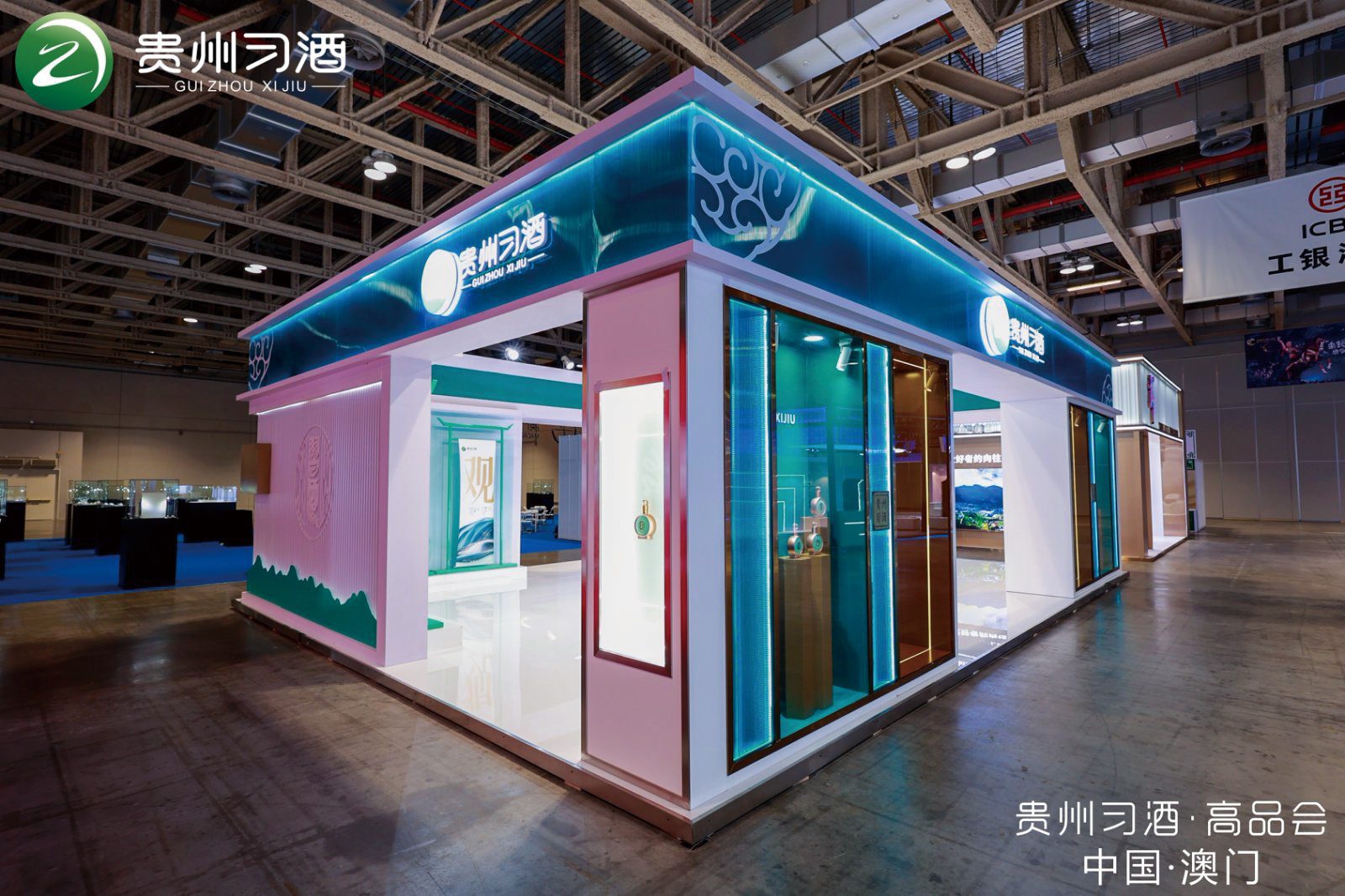
Automotive Industry Solution
For OEMs, new energy vehicle brands, automotive parts companies, smart mobility teams, and aftermarket brands, Towin Expo develops automotive exhibition booth plans for auto shows, parts fairs, mobility events, and launch presentations. The work focuses on vehicle display logic, visitor flow, media-friendly presentation areas, component explanation, dealer reception, and on-site delivery management for high-traffic exhibition environments.
View ->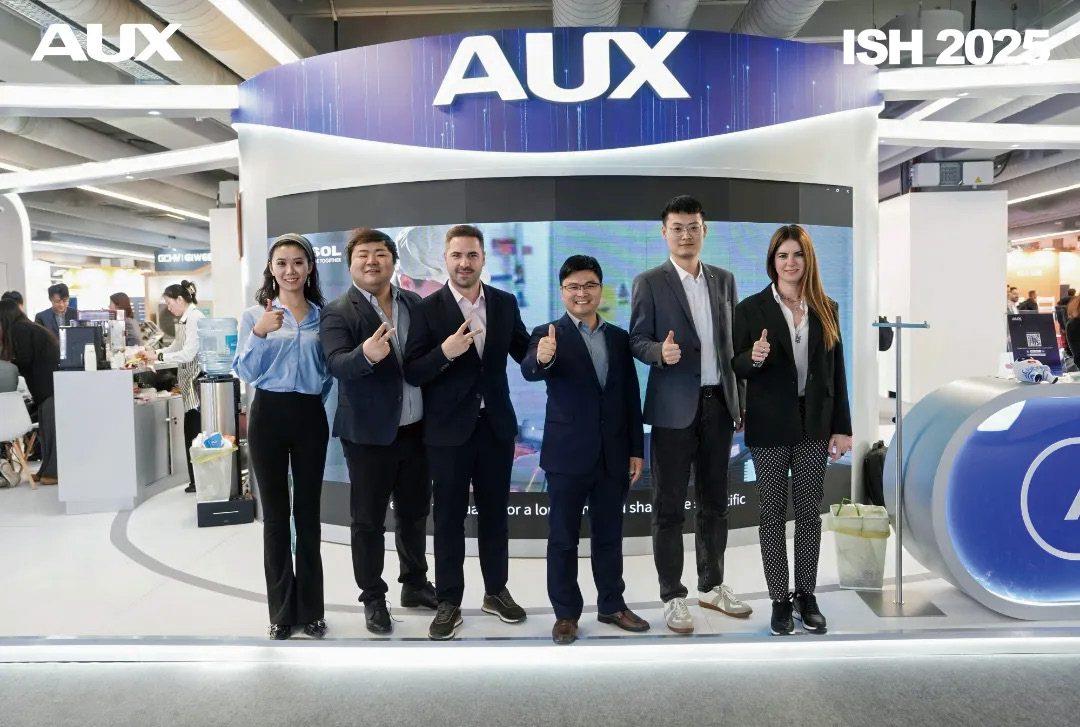
Medical Equipment Industry Solution
For medical equipment, IVD, healthcare IT, rehabilitation, aesthetic medicine, pharmaceutical, and life science companies, Towin Expo provides exhibition booth planning for CMEF, MEDICA, Arab Health, HIMSS, CPhI, and related healthcare shows. The solution balances professional credibility, compliant messaging, product demonstration, training needs, procurement discussion, and calm on-site delivery management.
View ->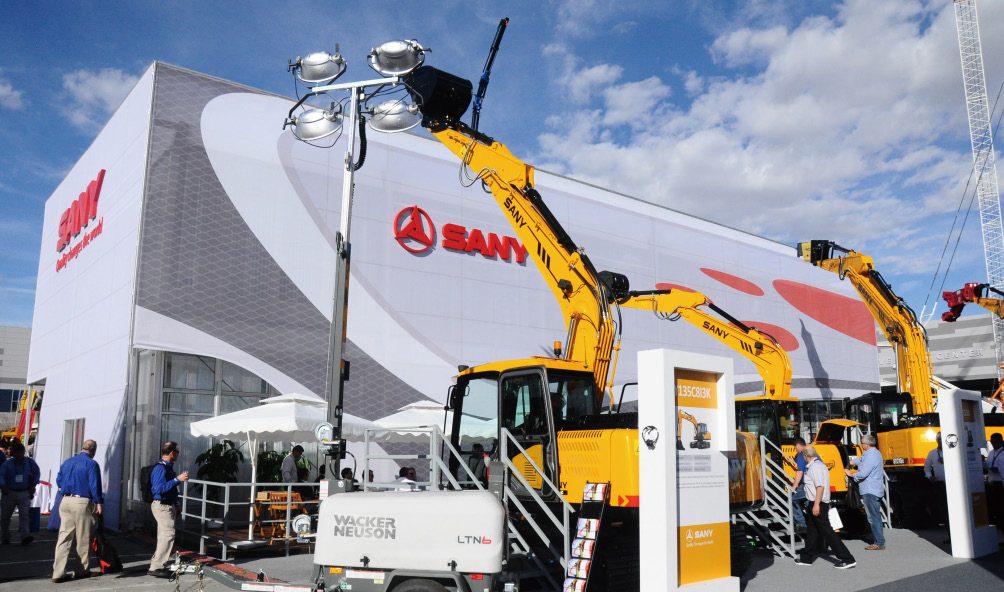
Building & Home Industry Solution
For building materials, furniture, sanitary ware, lighting, flooring, tile, coatings, hardware, and smart home companies, Towin Expo creates exhibition booth plans that place products in believable living, commercial, and material comparison scenes. The solution supports designers, dealers, project buyers, and brand teams through scenario display, sample organization, lighting control, meeting areas, and on-site delivery management.
View ->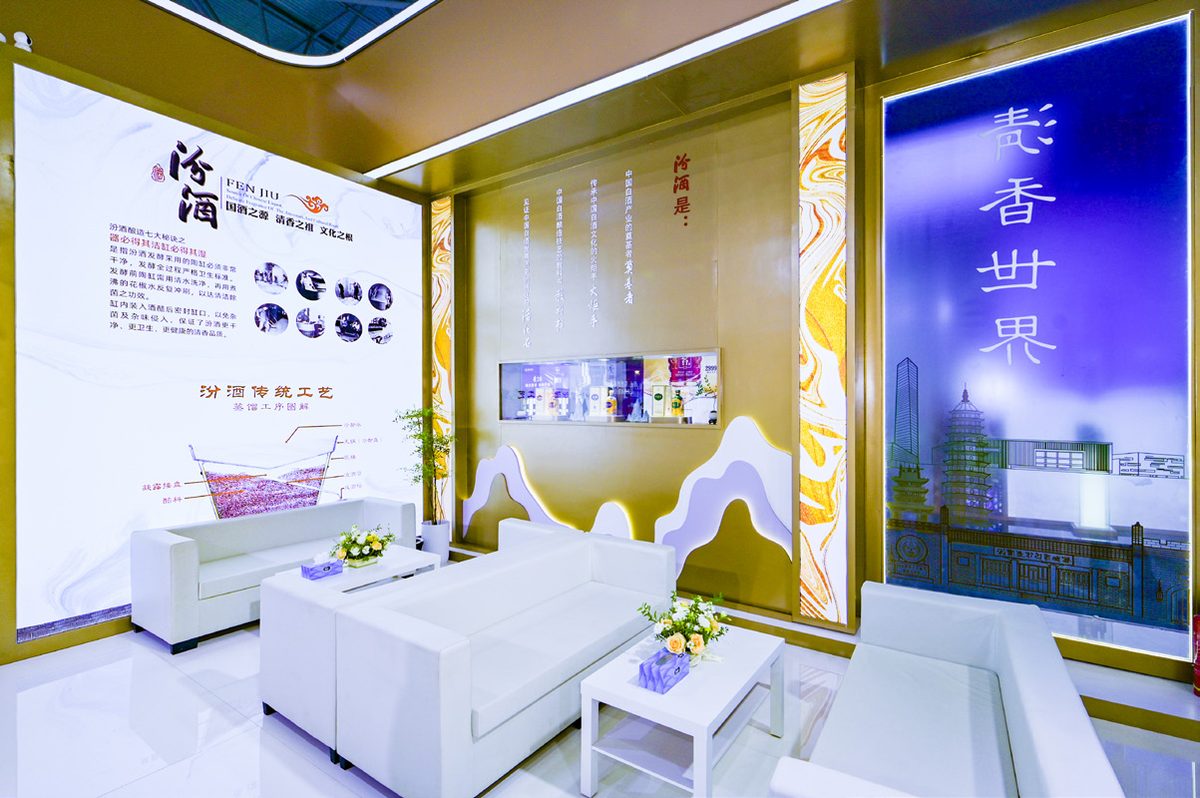
Apparel & Textile Industry Solution
For apparel brands, textile mills, fabric companies, footwear and accessories brands, sportswear, outdoor, kidswear, intimates, and fashion supply chain exhibitors, Towin Expo provides exhibition booth plans for buyer-oriented shows and brand presentation events. The solution supports collection display, fabric touch points, craft explanation, look presentation, buyer meetings, distributor communication, and on-site delivery management.
View ->
Food & Beverage Industry Solution
For food, beverage, coffee, tea, alcohol, bakery, confectionery, condiment, agricultural product, and food service ingredient brands, Towin Expo provides exhibition booth planning for tasting-oriented and buyer-facing trade shows. The solution supports sampling flow, hygiene-sensitive layouts, product story display, live demonstration, storage, meeting areas, and on-site delivery management for business conversations.
View ->